

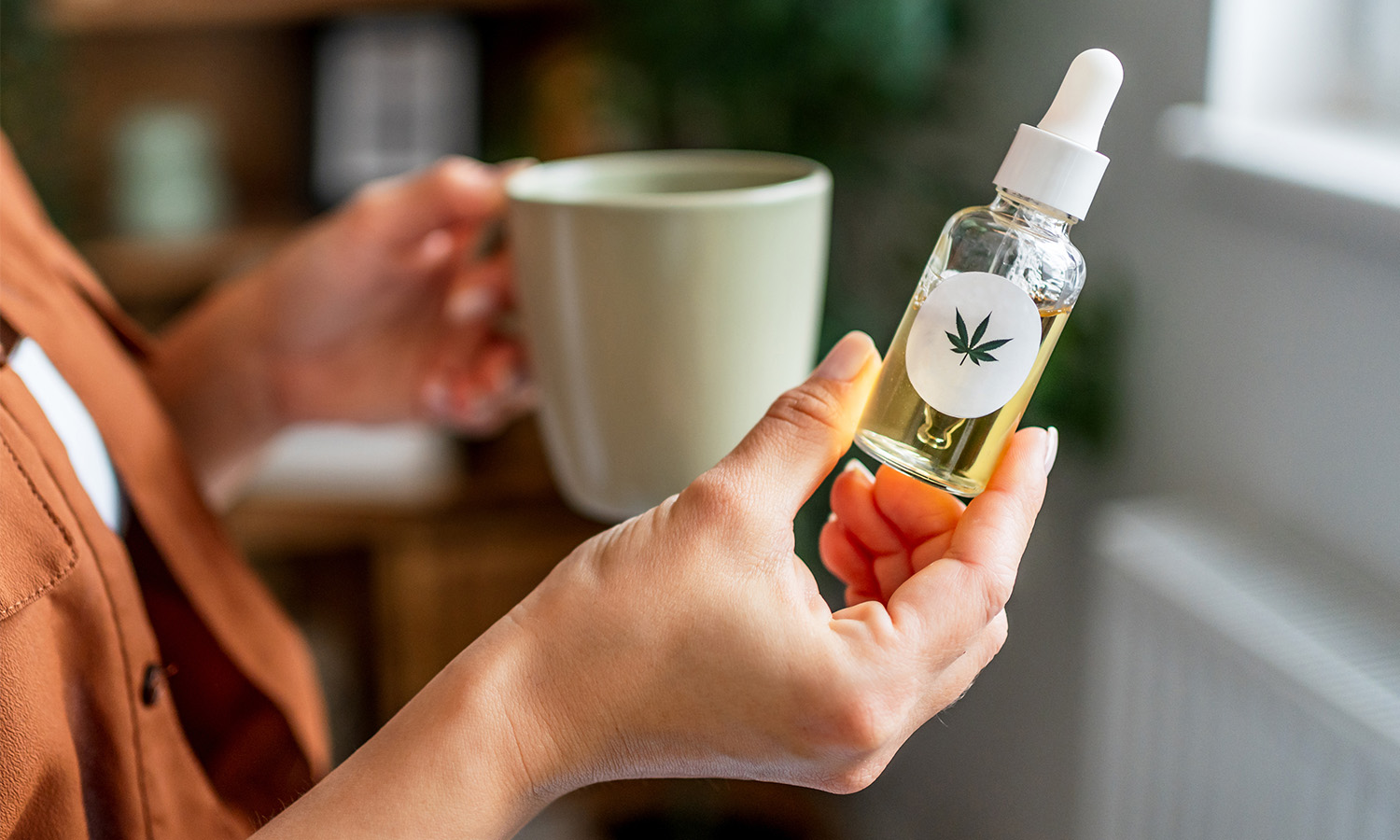
CBD and THC are often discussed together, but they do not affect the brain in the same way. Understanding CBD vs THC is important, especially when it comes to impairment and driving safety. This guide explains how each compound affects the body, their legal status, side effects, and what those differences mean for safe decision-making.
THC vs CBD
THC and CBD are the two most well-known cannabinoids found in cannabis. Both interact with the body’s endocannabinoid system, yet they produce very different outcomes. The most important distinction is this: THC can impair thinking, coordination, and reaction time, while CBD does not cause intoxicating effects.
| Factor | CBD | THC |
| Source | Hemp or marijuana | Primarily cannabis (marijuana) |
| Causes Impairment | No intoxicating effects | Yes, psychoactive |
| Common Uses | Anxiety, inflammation, sleep | Pain, nausea, appetite |
| Side effects | Fatigue, dry mouth | Short-term memory disruption, impaired coordination |
| Legal Status | Federally legal if hemp-derived and ≤ 0.3% THC | Federally illegal, varies by state |
What is CBD?
CBD, or cannabidiol, is a naturally occurring compound found in cannabis plants. It is most commonly extracted from hemp. Discovered in the 1940s, CBD has grown in popularity for its potential therapeutic benefits without producing a high. Many people use CBD for wellness purposes, in forms of edible gummies, tinctures, and topical lotions, because the substance alone is not intoxicating.
What is THC?
Identified in the 1960s, THC, short for tetrahydrocannabinol, is the primary psychoactive compound in cannabis. THC, specifically Delta 8 and Delta 9, is responsible for the high associated with marijuana use. It is the compound that alters perception, mood, and cognition. It plays a central role in both recreational marijuana and some medical cannabis treatments. Common forms include edible gummies, beverages, and smokable buds.
How CBD and THC Impact the Body and Brain
Both tetrahydrocannabinol and cannabidiol interact with the body’s endocannabinoid system, a network of receptors that helps regulate mood, pain, appetite, sleep, and memory. The two main receptors are CB1, found primarily in the brain, and CB2, found mostly in the immune system. The key difference between CBD and THC lies in how they interact with these receptors.
CBD Impacts
CBD does not strongly bind to CB1 receptors in the brain. Instead, it appears to work more indirectly, influencing serotonin receptors and other signaling pathways involved in mood, inflammation, and stress response. This helps explain why CBD is often described as calming or balancing without producing the euphoric or mind-altering effects associated with THC. Unlike tetrahydrocannabinol, CBD does not typically disrupt coordination, perception, or cognitive function for most people.
THC Impacts
THC binds directly to CB1 receptors in the brain, which alters the release of neurotransmitters and produces the euphoric effects commonly associated with marijuana use. This interaction can change perception, mood, and sensory awareness, and may also slow reaction time. What does THC do in practical terms? It can affect memory, vision, judgment, coordination, and decision-making.
Impacts varying by dose, potency, age, and individual tolerance. For example, studies have shown that younger consumers are more likely to develop mental health challenges like psychosis because the brain is still developing and may be more sensitive to THC’s effects.
For a deeper look at detection windows and its effects on the body and brain, explore our guide on how long THC stays in your system.
Medical Benefits and Therapeutic Uses
Both CBD and THC have potential therapeutic applications. However, their uses differ based on their chemical properties and psychoactive effects. When comparing the compounds for anxiety, pain, or sleep, it helps to understand the experience of each one.
Common CBD Benefits and Uses
CBD is often chosen by individuals looking for symptom relief without intoxication, particularly those who want therapeutic support while remaining clear-headed. Research into cannabidiol continues to expand as interest in its potential applications grows. However, the strength and consistency of evidence vary depending on the condition being studied. Commonly reported uses include:
- Sleep support
- Anxiety support
- Inflammation reduction
- Pain management
Common THC Benefits and Uses
THC may be used when stronger symptom control is needed, particularly when other treatments have not provided sufficient relief. Because tetrahydrocannabinol is psychoactive and directly affects brain function, its therapeutic use requires careful consideration of dose, setting, and personal tolerance. THC is commonly used for the following:
- Sleep support
- Calming muscle spasticity
- Chronic pain relief
- Nausea reduction during chemotherapy
- Appetite stimulation
Side Effects
Before using either compound, it is important to understand the potential side effects that you may experience. Dosage, individual tolerance, frequency of use, and method of consumption all influence risk. Even products marketed as natural can affect the body in noticeable ways.
Potential Side Effects of CBD
CBD is generally well-tolerated, but it can still cause side effects, particularly at higher doses or when combined with other medications. While most reactions are considered mild and temporary, it is important to monitor how your body reacts before using CBD regularly or increasing dosage. Potential side effects include:
- Fatigue
- Dry mouth
- Changes in appetite
Understanding how CBD affects you personally is important for both health and safety. CBD may also interact with certain prescription medications, especially those metabolized by the liver, so anyone considering regular use should consult a healthcare provider.
Potential Side Effects of THC
THC side effects are often more noticeable because it directly affects brain function. The intensity of these effects typically increases with higher doses, frequent use, or products with high concentrations. THC is metabolized by liver enzymes that also process many prescription medications, which means it may interact with certain drugs and alter their effects. Potential side effects include:
- Anxiety or paranoia
- Impaired coordination
- Short-term memory disruption
- Increased heart rate
- Dry mouth
- Peripheral vision impairment
Because THC causes side effects that impair judgment and coordination, it should never be used in situations that require full focus and control, like driving. Combining cannabis with alcohol or other substances can further increase side effects and impairment exponentially. Even in small doses, THC can cause side effects that may vary.
Join Our Movement
CBD vs THC Legal Status and Regulations
The legal status of CBD and THC depends on both federal and state law. Under U.S. federal law, hemp-derived CBD products are legal if they contain 0.3 percent THC or less. These products became legal nationwide under the 2018 Farm Bill. In contrast, THC-derived products that contain higher levels of THC remain federally illegal.
State laws vary significantly in how they regulate legalization. Some states allow recreational marijuana sales, others permit only medical use, and some have strict prohibitions. THC is also regulated differently when it comes to possession limits, age restrictions, and driving laws, though driving under the influence is never permitted. Because regulations differ by state and country, you should always review local laws before purchasing, possessing, or using CBD or THC products.
Because laws continue to evolve, clear safety standards are essential. MADD advocates for evidence-based policies that address THC impairment and help reduce drug-impaired driving nationwide.
Driving Laws and DUI Risks
Driving laws treat THC as an impairing substance under DUI and DWI regulations. Some states have blood concentration limits, while others rely on observed impairment through field testing. Penalties for driving under the influence of marijuana can include fines, license suspension, and even jail time.
CBD is generally non-intoxicating and not classified as an impairing substance. However, full-spectrum products could contain trace amounts of THC. Depending on the product, dosage, and individual response, this could present legal or safety risks.
Is it Safe to Drive After Using CBD or THC?
A recent report by the AAA Foundation for Traffic Safety found that only 70% of drivers believed driving under the influence of marijuana (THC) to be unsafe. However, in reality, any substance that affects your mind or body puts you and others at risk. Driving requires full attention, clear judgment, and quick reaction time.
If you have consumed THC, do not drive. It impairs coordination, slows reaction time, alters perception, and affects decision-making. Even if you feel “fine,” your brain and motor skills may still be compromised. There is no safe amount of THC when it comes to getting behind the wheel.
When it comes to CBD, the situation can be more complex. CBD is not intoxicating and does not produce the high associated with THC. However, some CBD products may cause drowsiness, and some products can contain small amounts of THC. If you feel tired, unfocused, or unwell after using any cannabis derived product, you should not drive.
If a substance affects your alertness, coordination, or judgment in any way, avoid driving while impaired and choose a safe alternative ride.
Cannabis FAQs
What is the difference between hemp and marijuana?
Federal law distinguishes hemp from marijuana based on THC concentration. Hemp contains 0.3% Delta 8 or Delta 9 THC or less and is legal under US federal law. Marijuana contains higher levels of the Delta 8 or Delta 9 compound and remains federally illegal, but is allowed for medicinal or recreational use in some states.
What does CBD vs THC feel like?
The experiences between these two compounds differ. THC may create euphoria, altered sensory perception, slower reaction time, and impaired coordination. CBD is often described as calming and subtle without intoxication. It’s important to note that effects vary by dose, product type, and individual body chemistry.
Does CBD make you high?
No, CBD does not produce intoxicating effects, and legally compliant CBD products are not intended to cause a high. However, some products may contain trace amounts of Delta 8 or Delta 9 THC. Reviewing product labels, third-party testing information, and THC content is important to help you better understand what you are using and how it may affect you.
How do CBD and THC impact anxiety?
CBD vs THC for anxiety has different results. CBD is often described as calming and has been studied for its potential to help reduce certain anxiety symptoms. THC affects anxiety more unpredictably. Some individuals report temporary relaxation at lower doses, while others may experience increased anxiety, paranoia, or a heightened heart rate. Younger individuals may be more sensitive to these effects, and may face a greater risk of increased anxiety, because the brain is still developing.
Prevent Drugged Driving with MADD
Understanding the difference between CBD and THC empowers you to make informed decisions. While CBD is non-intoxicating, THC can impair reaction time, judgment, vision, and coordination. Those effects can put drivers, passengers, and others on the road at risk.
Every year, thousands of families are affected by impaired driving. Choosing not to drive after consuming THC, planning ahead for alternative transportation, and encouraging others to do the same are simple actions that can save lives.
You can be part of the solution and help MADD end impaired driving in your community. Together, we can create safer roads for everyone.
—
This article was expert-reviewed by Rebecca Green. Rebecca is the State Executive Director at MADD Colorado and the Vice Chair of the Colorado Task Force on Drunk and Impaired Driving. In her position, Rebecca has worked alongside industry leaders, researchers, and public safety as Colorado addresses drugged and poly-substance impaired driving. Navigating public perception about CBD vs THC and understanding the difference has been crucial to collaborative success around public safety and legalization.
