

By: Riley Guldberg
Student Athletes and Campus Influence
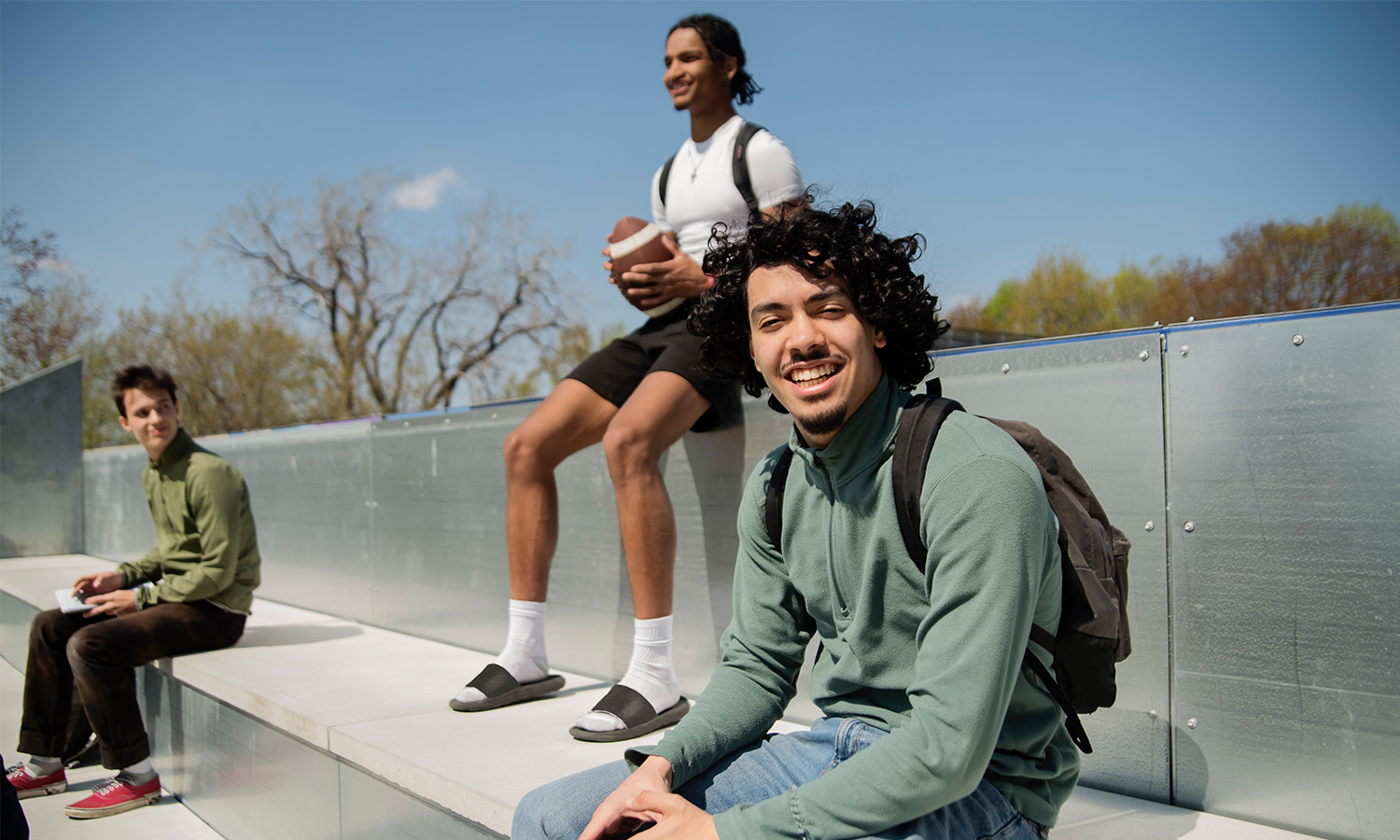
College student athletes are among the most visible members of campus communities. They balance academic responsibilities, athletic performance, and public expectations while representing their institutions both on and off the field. This visibility creates opportunity, but it also creates pressure. That pressure can influence mental health, decision making, and risk behaviors. One of the most serious and preventable risks connected to these factors is impaired driving.
Understanding the relationship between mental health, stress, and impaired driving is essential for protecting student athletes and strengthening campus safety as a whole. When student athletes make healthy and responsible choices, those behaviors often extend beyond their teams. Their actions influence peers, shape social norms, and contribute to safer campus cultures. This ripple effect positions student athletes as powerful leaders in impaired driving prevention.
Mental Health Challenges in College Student Athletes
Research shows that college student athletes experience mental health challenges at rates comparable to or higher than non athlete students. Anxiety, depression, sleep disruption, and chronic stress are common concerns. These challenges are driven by performance expectations, demanding schedules, injuries, and an identity that is often closely tied to athletic success.
Despite increased awareness, stigma surrounding mental health remains present in many athletic environments. Student athletes may hesitate to seek help due to fear of appearing weak, losing playing time, or disappointing coaches and teammates. When support is delayed or avoided, stress can accumulate and increase vulnerability to unhealthy coping strategies, including alcohol use.
Mental health challenges also directly affect how individuals process risk. Stress and emotional strain can impair judgment and impulse control, increasing the likelihood of risky decisions in social settings.
How Stress Impacts Student Athlete Decision-Making and Risky Behaviors
Psychological stress interferes with executive functioning, increasing impulsivity and reducing the ability to evaluate risk. Among college students, alcohol is frequently used as a coping mechanism for stress, social anxiety, and emotional overload. Student athletes are not immune to this pattern, particularly in environments where drinking is normalized after competitions or during celebrations.
Impaired driving often occurs when individuals overestimate their ability to manage risk. Stress and emotional pressure can create a false sense of confidence that leads to dangerous decisions. This connection highlights why impaired driving prevention must address mental health and coping skills rather than focusing solely on punishment or enforcement.
Impaired Driving on College Campuses
Impaired driving remains a leading cause of injury and death among young adults in the United States. College campuses face elevated risk due to social environments where alcohol is prevalent, especially during weekends, athletic events, and celebrations.
The consequences of impaired driving extend far beyond the individual involved. A single incident can affect teammates, families, institutions, and entire campus communities. For student athletes, impaired driving can also result in loss of eligibility, damaged trust, and long term personal consequences, reinforcing the importance of prevention strategies that prioritize education and planning.
The Halo Effect of Athlete Leadership
Student athletes often serve as informal leaders on campus. Their behavior is highly visible and frequently modeled by peers. Social learning theory suggests that individuals are more likely to adopt behaviors demonstrated by people they admire or view as leaders.
When student athletes plan sober rides, intervene when someone is at risk, or speak openly about mental health, they send a clear message that safety matters. These actions influence teammates and extend into residence halls, social groups, and campus events. This halo effect helps normalize responsible decision making across the broader campus community.
At the same time, when risky behavior is perceived as acceptable among athletes, it can spread quickly. This makes athlete involvement in impaired driving prevention especially impactful.
Mental Health Awareness as Prevention
Mental health awareness is a critical component of impaired driving prevention. When student athletes are equipped with healthy coping strategies such as stress management, peer support, and help seeking behaviors, they are less likely to rely on alcohol as a primary outlet.
Framing impaired driving prevention as an act of care aligns with athletic values like teamwork, leadership, and responsibility. Choosing a sober ride or checking in on a teammate reflects the same commitment athletes bring to their sport.
The Role of MADD SPORTS
MADD SPORTS empowers student athletes to use their influence to promote safety and prevent impaired driving. By engaging athletes as advocates, MADD SPORTS recognizes their leadership and amplifies their ability to shape campus culture.
Through education, peer engagement, and collaboration with athletic programs, MADD SPORTS helps athletes connect mental health, decision making, and impaired driving prevention. This approach emphasizes preparation over punishment and reinforces the idea that making safe choices protects everyone.
Supporting Athlete Led Prevention
Colleges and athletic programs play an important role in supporting athlete led prevention. Integrating mental health resources into athletic departments, normalizing conversations about stress, and ensuring access to safe transportation options are essential steps.
Athlete driven initiatives are particularly effective because prevention messages delivered by peers often resonate more strongly than those delivered by administrators. Supporting student athletes as whole individuals strengthens both athletic performance and campus safety.
Turning Pressure Into Purpose
Student athletes face intense pressure, but they also hold tremendous potential to create positive change. By prioritizing mental health and making intentional choices around impaired driving, athletes protect themselves and those around them.
When student athletes choose safety, they model responsibility for the entire campus. Their leadership extends beyond competition and contributes to healthier, safer communities. Turning pressure into purpose allows student athletes to play a vital role in preventing impaired driving and saving lives.
References Arnsten, A. F. T. (2009). Stress signalling pathways that impair prefrontal cortex structure and function. Nature Reviews Neuroscience, 10(6), 410–422. https://doi.org/10.1038/nrn2648 Bandura, A. (1977). Social learning theory. Prentice Hall. Gulliver, A., Griffiths, K. M., & Christensen, H. (2015). Perceived barriers and facilitators to mental health help seeking in young people: A systematic review. BMC Psychiatry, 10(113). https://doi.org/10.1186/1471-244X-10-113 Hingson, R., Zha, W., & Smyth, D. (2017). Magnitude and trends in heavy episodic drinking, alcohol impaired driving, and alcohol related mortality among emerging adults. Journal of Studies on Alcohol and Drugs, 78(4), 540–548. Martens, M. P., Dams-O’Connor, K., & Beck, N. C. (2006). College student athlete drinking patterns and interventions. Journal of Substance Abuse Treatment, 31(3), 305–316. Rice, S. M., Purcell, R., De Silva, S., Mawren, D., McGorry, P. D., & Parker, A. G. (2016). Mental health in elite athletes. Sports Medicine, 46(9), 1333–1353. Watson, J. C. (2005). College student athletes and help seeking attitudes. Journal of College Student Development, 46(4), 442–449.
