

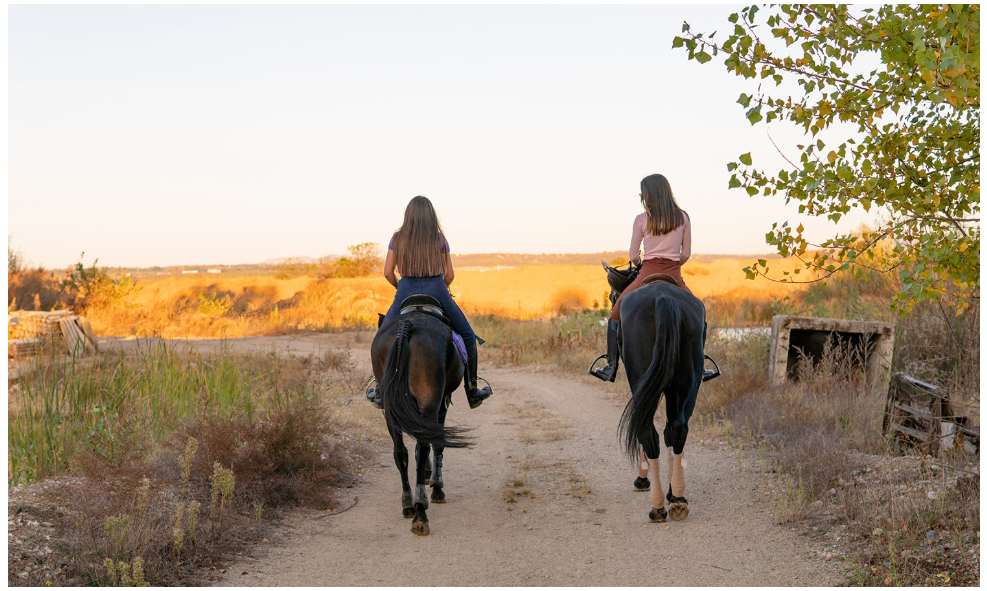
You probably know you can get a DUI in a car. But what about on a horse? A golf cart? A lawn mower? While it might seem absurd, you can actually get one depending on where you reside. From four wheels to four legs and everything in between, DUI laws can apply in more places than you might think. Keeping that in mind, read on to discover all the unconventional ways DUI laws apply.
Table of Contents
- How States Define DUIs Under the Law
- Can You Get a DWI on a Horse?
- Surprising Ways You Can Get a DUI
- Consequences for Driving Under the Influence
- Prevent Impaired Driving Offenses
How States Define DUIs Under the Law
Most states define impaired driving as operating a motor vehicle while impaired by a substance like alcohol, prescription medication, illegal drugs, or a combination of them. However, the true definition of a vehicle varies from state to state.
Some states define a vehicle as any device that can move on a roadway or transport an individual on one. This means that in some jurisdictions, individuals could be charged with a DUI for riding or operating unconventional vehicles.
Can You Get a DUI on a Horse?
It may come as a surprise, but you can get a DUI/DWI on a horse. Whether or not it applies primarily boils down to one question: Does state law classify a horse as a ”vehicle”? Some states charge DUIs for intoxicated horseback riding because they define horses as vehicles. While others don’t classify horses as vehicles for DUI purposes.
States That Charge on a Horse
Several states have laws that make intoxicated horseback riding a DUI offense. Which raises the question: What states can you get a DUI on a horse? States where you can get a DUI on horseback include:
- California: Under California Vehicle Codes, an individual riding an animal on a highway has the same responsibilities as a typical driver. As a result, riding a horse on a public road while intoxicated can actually lead to a DUI charge. In fact, in 2023, the California Highway Patrol arrested a horseback rider for riding while intoxicated.
- Florida: Florida law broadly defines a vehicle as ”any device used to transport or draw an individual or property upon a highway”. Which means intoxicated horseback riding can lead to a DUI. In one famous incident, Polk County Deputies arrested a woman for riding a horse down a highway while intoxicated.
- Kentucky: The Bluegrass State also has a distinct DUI statute for vehicles that aren’t deemed motor vehicles. It has even brought charges against people for drunk horse riding.
There are a surprising number of other states where horse DUI charges might apply, including Alabama, Georgia, Kansas, New Mexico, and Oklahoma. To know for sure if this applies to the state you live in, review your state’s DUI laws.
States That Don’t Charge on a Horse
Not every state sees it the same way. Many states actually exclude horses from DUI laws because they don’t legally define horses as motor vehicles. These states include:
- Arkansas, Michigan, and Minnesota: These states’ laws define motor vehicles as ”self-propelled, motorized” devices. Meaning it excludes anything powered by muscular force, such as a horse.
- Pennsylvania: In Commonwealth v. Bartman, the Pennsylvania Supreme Court ruled that animals don’t meet the legal definition of a ”device” or vehicle for DUI purposes.
Other states that don’t classify horses as vehicles for DUI charges include Louisiana, Montana, North Carolina, Ohio, Texas, Washington, and Wyoming.
While the DUI statutes in these states don’t apply to horseback riding, this doesn’t mean there aren’t consequences. Riders could still face charges, including disorderly conduct, reckless endangerment, public intoxication, or animal cruelty.
Learn the difference between DUI and DWI to understand how your state could treat a potential charge.
Not Just Cars: Other Surprising Ways DUI Laws Can Apply
Horses aren’t the only unexpected way to find yourself facing impaired-driving charges. As we’ve explored, DUIs can occur in unconventional ways, depending on state laws. While it’s always important to check with your local laws, some alternative ways you can get a DUI include:
On a Bike
Biking while intoxicated might seem like a clever way to evade a DUI charge, but it isn’t. In many states, you can get a DUI on a bike, as bikes are legally defined as vehicles.
In other states, such as Michigan and New Jersey, standard DUI regulations don’t apply. Even so, you can still face public intoxication, disorderly conduct, or reckless endangerment charges.
That’s why, even in states where standard DUI laws don’t apply, it’s still advisable to steer clear of biking under the influence to avoid facing criminal charges or endangering others and yourself.
On a Golf Cart
Many people mistakenly believe that DUI laws don’t apply to golf carts because they’re recreational vehicles. However, a golf cart isn’t a legal loophole just because it tops out at neighborhood speeds. Some states, such as Georgia and Arizona, treat golf carts like cars because they’re motorized vehicles. As a result, if you operate one on a highway or neighborhood road while intoxicated, you can get a DUI on a golf cart.
On a Scooter
In many states, you can get a DUI on a scooter because jurisdictions classify motorized scooters as vehicles. For example, under California law, riding a motorized scooter on a highway while impaired can lead to a misdemeanor DUI charge with a maximum fine of $250.
Non-motorized scooters are much less likely to lead to DUIs in most states. But before you bring your scooter on a night out, you should know that riders can still be charged with other offenses, such as public intoxication.
On an ATV
While uncommonly known, driving an ATV on a public road, highway, or even private property can get you a DUI charge. Why? Because ATVs have motors, many states classify them as vehicles, meaning the same consequences apply as if you were driving a car. This applies to most areas across the United States.
On a Riding Lawnmower
Thinking about mowing your lawn while drinking alcohol? You might want to think again. Because a riding lawnmower has a motor and is self-propelled, you can get a DUI charge for operating it while intoxicated. However, courts typically examine whether public safety was at risk when deciding cases involving lawn mowers.
On a Zamboni
It is also possible to get a DUI for operating specialized motorized equipment, such as a Zamboni, while intoxicated. This actually happened in 2015 when a Fargo, ND, Zamboni driver was convicted of a DUI after driving erratically while resurfacing the ice at a high school hockey game. While it may seem ridiculous, even specialized equipment can be dangerous to operate while intoxicated.
On a Boat
You can get a DUI on a boat, as Boating Under the Influence (BUI) or Boating While Intoxicated (BWI) is illegal in all 50 states. In fact, the penalties for operating a boat while intoxicated can be pretty severe because doing so is very dangerous. So if you’re thinking of imbibing while out on the water this summer, make sure to bring along a designated boat operator.
Drunk driving claims thousands of lives annually. Learn more about its impact and how you can help minimize fatalities.
Consequences for Driving Under the Influence
The consequences for driving under the influence range from mild to severe, primarily depending on Blood Alcohol Concentration (BAC) levels and prior criminal history. Aggravating factors like having minors in the vehicle or property damage can also influence the severity of a DUI charge.
While repercussions vary by state, common consequences include:
- Fines
- Driver’s license suspension
- Mandatory education programs
- Probation
- Increased insurance rates
- Possible jail time
Beyond legal consequences, driving or riding under the influence greatly endangers yourself and those around you.
Prevent Impaired Driving Offenses with MADD
DUIs apply to more than just conventional motor vehicles. Whether you’re behind the wheel, holding the reins, steering a boat, or driving a golf cart around the campground, the takeaway is the same: impaired operation puts lives at risk. While many of these situations aren’t common knowledge, understanding DUI laws in your state is one of the simplest ways to keep yourself and others safe.
At MADD, we’ve been raising awareness about impaired driving since 1980 through education and advocacy. And you can help too. Visit our Get Involved page today to learn how you can be a part of the solution and save lives.
