

By Steven Benvenisti, Esq., Partner at Davis, Saperstein & Salomon, PC
www.contractforlife.com
When most people think about being charged with a DWI/DUI, they think about fines, court appearances, or perhaps losing their driver’s license for a period of time. Those are certainly consequences, but they are only the beginning.
As a personal injury attorney for more than three decades, I have represented hundreds of innocent victims whose lives were forever changed because someone chose to drive while impaired. I have also lived that reality personally.
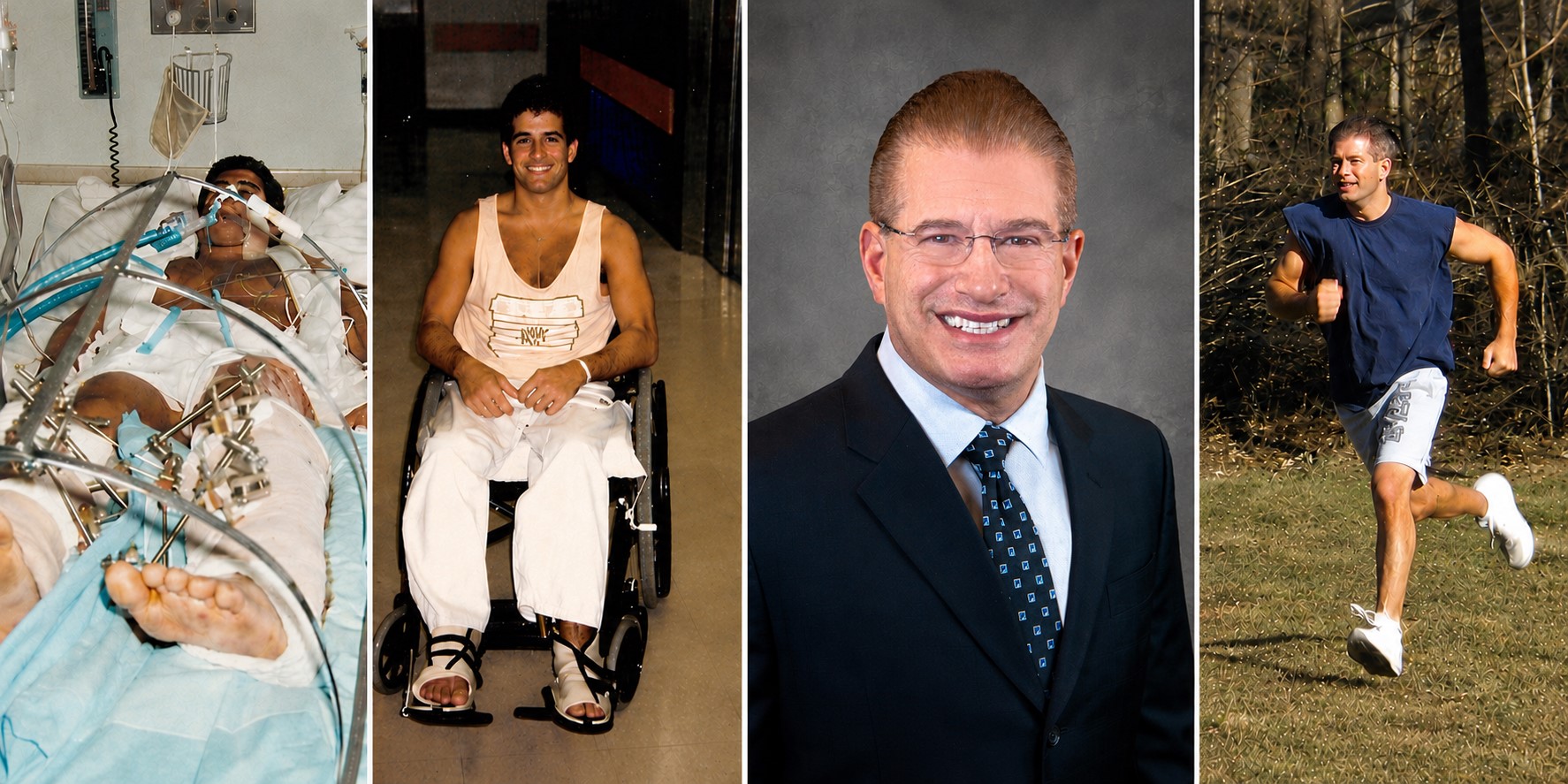
Decades ago, when I was a college student on spring break, I was struck by a drunk driver while walking with my friends. I sustained a severe traumatic brain injury, with my family being asked to consent to my organ donation, was comatose for ten days, suffered multiple orthopedic injuries, required skin grafts, fifteen surgeries, and faced years of rehabilitation. That single decision made by another person changed the course of my life forever.
I was one of the lucky ones because I fully recovered. I could have been among the more than 10,000 people killed by drunk drivers in our country every year, including the 11,904 lives lost in 2024 alone.
Today, I want to discuss something that often gets overlooked: the true cost of drunk and impaired driving.
The Financial Consequences Extend Far Beyond the Fine
Legal Fees and Court Costs
Whether someone hires a private attorney or relies upon appointed counsel, a DUI/DWI frequently results in thousands of dollars in legal expenses. Add filing fees, mandatory assessments, alcohol education programs and other court-imposed costs, and the financial impact grows quickly.
Over the years, I have spoken with many individuals who admitted that what they thought would be “just one bad night” ultimately cost them tens of thousands of dollars. They would give anything to do that night over again because, as far as they are concerned, their lives have been forever changed for the worse.
The Lawsuit Against You
For decades, on behalf of innocent drunk and impaired driving victims, I have pursued civil lawsuits against not only the drivers, but also those who irresponsibly served them. Civil juries have the power to award hundreds of thousands, or even millions, of dollars in monetary damages to compensate victims for medical expenses, lost income, pain and suffering, disability and, in the most tragic cases, wrongful death.
Those damages can far exceed the limits of available insurance coverage. When that happens, an impaired driver’s personal assets, future earnings, savings, investments and other property may be at risk. What often follows is unmanageable debt and even bankruptcy.
From an attorney’s perspective, this is one of the most important realities for people to understand: the criminal case may not be the end of the legal consequences. A single decision can lead to separate proceedings, years of litigation and financial exposure that follows someone long after the initial charge has been resolved.
Insurance, Transportation and Lost Income
A DUI/DWI conviction can continue affecting a person’s finances long after the court case ends. Insurance premiums may increase dramatically for years, and some drivers may be required to purchase significantly more expensive high-risk coverage.
Ignition interlock devices can bring installation charges, monthly monitoring fees, calibration appointments and maintenance costs. Court appearances, license suspensions, mandatory programs, community service and treatment requirements may also require time away from work.
If driving is part of a person’s job, a DUI/DWI can jeopardize that livelihood entirely. Even ordinary responsibilities, such as getting to work, taking children to school or attending medical appointments, may suddenly depend upon relatives, friends, rideshare services or public transportation.
Each expense may appear manageable on its own, but collectively, the financial consequences can reshape a person’s life for years.
The Consequences That Follow You Beyond the Courtroom
In my career, I have seen how a legal case can formally end while its consequences continue. A sentence may be completed, fines may be paid and driving privileges may eventually be restored, but that does not mean life simply returns to what it was before.
Most employers now conduct background checks. A DUI/DWI conviction may affect hiring decisions, promotions, professional licensing, security clearances and positions involving driving or public trust. For young professionals, a single conviction can alter a career path before it has truly begun.
If an impaired driving incident seriously injures or kills another person, the driver may face years in prison and a lifelong felony record. That conviction can make it difficult to find employment, obtain professional licenses, secure housing or rebuild a future long after the sentence has ended.
The effects also reach into families and personal relationships. Trust may be damaged. Marriages can suffer. Parents may lose confidence in an adult child. Friendships can become strained, and children may carry emotional consequences that no court order can repair.
There are also the shame, anxiety, embarrassment and uncertainty that can follow an arrest or conviction. Something as simple as a Google search of your name can forever reveal your arrest or conviction. These are not penalties listed in a statute or imposed by a judge, but they are real consequences nonetheless.
Perhaps the greatest punishment is one no judge can impose: living with the knowledge that your decision permanently changed or ended another person’s life.
The weight of causing a catastrophic injury or taking someone’s mother, father, spouse, child or friend is a burden many people carry for the rest of their lives. No sentence, amount of money or passage of time can erase that guilt.
A Perspective Few People Have
I often tell people that I have experienced impaired driving from both sides of the courtroom.
As a personal injury attorney, I work with medical records, insurance policies, expert testimony, lost-income calculations and evidence documenting the full extent of a person’s injuries and losses. Those details are necessary to pursue accountability, but they can never tell the entire story.
A case file cannot fully capture what it means for a parent to sit beside a hospital bed, waiting to learn whether their child will survive. A calculation of future medical costs cannot communicate the exhaustion of years spent in rehabilitation. A lost-wages report cannot measure the identity and purpose someone may lose when an injury ends a career they loved.
As a survivor, I understand the lifelong physical, emotional and financial consequences victims endure. That perspective has shaped every aspect of my life and career.
When I represent an injured client, I do not simply see medical records or insurance claims. I see frightened families sitting beside hospital beds. I see months, or even years, of rehabilitation. I see careers interrupted or ended. I see dreams delayed or permanently lost.
Every impaired driving crash creates victims. Some die. Some live with permanent disabilities. Others lose spouses, partners, parents, children, siblings or close friends. Families may spend years adapting to wheelchairs, brain injuries, rehabilitation, financial hardship and caregiving responsibilities.
I know this reality firsthand.
My injuries occurred more than three decades ago, yet I still recognize that one person’s decision forever changed my family’s life. My parents and siblings endured unimaginable fear while I fought for survival. My rehabilitation took years, and my future was uncertain.
Although I recovered far beyond what physicians expected, countless other victims never receive that chance. Some never return home. Others never regain their independence. The ripple effects continue for decades.
And every one of those stories began with someone believing they were “okay to drive.”
Accountability matters. Justice matters. But prevention matters even more.
A lawsuit can provide resources for medical care, lost income and future needs. A verdict can acknowledge the severity of what was taken from a victim. A criminal sentence can hold someone responsible. But no lawsuit, jury verdict, criminal sentence or insurance settlement can restore a person’s health, return a loved one to their family or undo the moment that caused the harm.
The legal system can respond to an impaired driving crash. It cannot make that crash unhappen.
The Most Important Decision Comes Before the Crash
Every impaired driving crash is preventable, and today there are more transportation options than ever before.
Call a rideshare. Designate a sober driver. Use public transportation. Stay where you are. Call a friend.
The inconvenience of finding another ride home is insignificant compared to the lifelong consequences that may follow a single drunk or impaired driving decision.
Too many people believe, “It won’t happen to me.” Unfortunately, every person who has caused or suffered an impaired driving crash once believed exactly the same thing.
The true cost of impaired driving is not measured solely in dollars. It is measured in opportunities lost, careers interrupted, relationships strained, families forever changed, empty seats at dinner tables, years spent in hospital rooms and rehabilitation centers, and survivors who must rebuild what someone else’s decision took away.
If this article inspires even one person to hand over their keys, call for a ride or stop a friend from driving while impaired, then everything I have endured will have been 100% worth it. One good decision can save a life.
I know because someone else’s bad decision nearly took mine.
Steven Benvenisti, Esq. is a partner at Davis, Saperstein & Salomon, PC and a Mothers Against Drunk Driving National Ambassador. He can be reached at (201) 907-5000, ext. 1209, or at [email protected]. His personal website is www.contractforlife.com.
He authored Spring Break: A True Story of Hope and Determination about his experience. One hundred percent of the proceeds from his book are donated to nonprofits.
