

Prior to 1990, the THC content in cannabis was around 2-4%. In 2023, in states where there are stores that legally sell cannabis to the public, the THC content ranges from 25-90%. This means that the THC content between cannabis used in 1990 and today can be over 100 times stronger.
Think of it this way—if the strength of alcohol in beer increased in the same manner, having one beer today would be equal to having over 20 beers in 1990! Because of strong regulation, however, beer potency has changed very little over time, so a beer today raises the same effects as a beer did back then.
Today’s cannabis is not the same drug as what many parents around the age of 40 might have experienced when they were young. The magnified strength in today’s cannabis results in magnified effects.
How THC Affects a Developing Brain
THC alters communication inside the brain and between brain and body, affecting movement and coordination, sensation, judgment, decision‑making, memory, and mood. Frequent use is linked to slower reaction time, learning and memory problems, anxiety and depression, and lung irritation from smoking or vaping. Because brains develop into the mid‑20s, adolescent use can alter pathways responsible for decision‑making, impulse control, and emotional regulation.
Why Teens Use—and Why Some Don’t
Common reasons for use include relaxing, getting “cross‑faded,” countering alcohol’s side effects, coping with stress or social anxiety, and peer pressure.
Reasons to avoid include fear of “greening out,” unpleasant symptoms (paranoia, nausea, racing heart), next‑day fatigue, school performance concerns, responsibilities, and the simple fact that it’s illegal under 21 in every state. Naming both lists helps you design safer alternatives for the outcomes teens seek.
Impairment and the Road
Driving while high is impaired driving. Cannabis affects judgment, attention, and reaction time—skills essential for safe driving. Teach teens to use their senses to assess a potential driver before getting in the car: sight (glassy or bloodshot eyes, unsteady gait), sound (slurred or unusually fast speech), and smell (alcohol or cannabis odors). If something feels off, it probably is. They should never risk riding with an impaired driver—call for help instead.
The Risk of Mixing Substances
On nights when alcohol and cannabis are combined, consequences multiply. Substances don’t cancel each other; they compound. Build this truth into your family rules and help them understand why mixing substances is so dangerous.
Medication Misuse: The Overlooked Threat
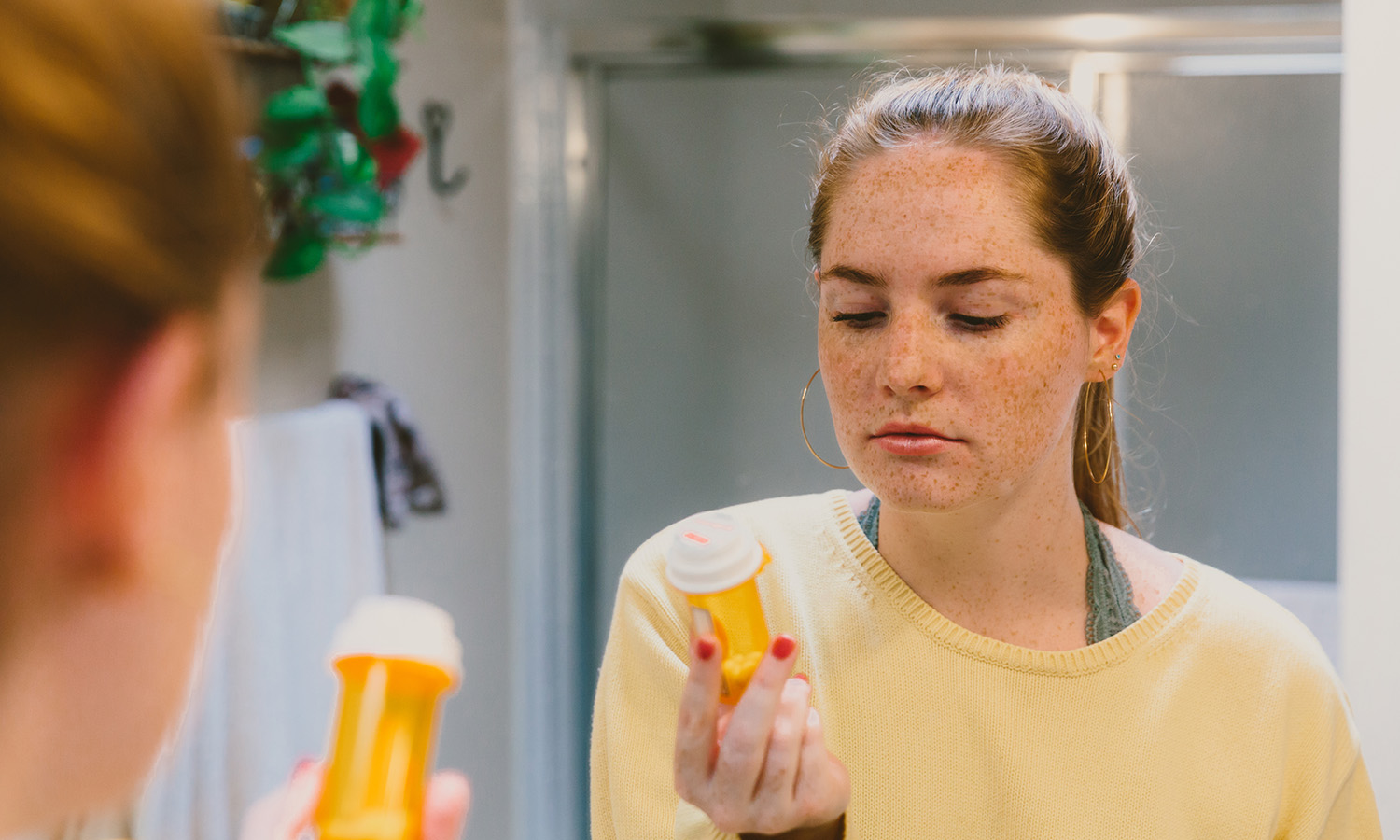
Prescription and over‑the‑counter (OTC) medications can be misused to get high, stay awake, lose weight, or “perform.” Misuse raises the risk of dependence, health crises, and impaired driving – especially when combined with other substances. Lock drug cabinets, track quantities, dispose of leftovers, and talk openly about why ‘medicine’ is not safe when misused.
“Did You Use?”—Answering Honestly
If your teen asks about your past, be honest without centering your history. Acknowledge what you’ve learned since then and the research available now. Note that today’s cannabis is much stronger, and pivot the conversation to focus on the now: “If I could go back and do things differently, I would. It’s my job to encourage you to make smart choices and to protect your future.” Credibility matters—and so does the focus on their future.
Turn Knowledge Into a Plan
Re‑establish agreements: no use under 21; no impaired driving; never ride with someone who’s used; call for help anytime—no questions in the moment, consequences later as agreed. Practice the “tap‑out” text and agree on a consistent pickup spot.
Bottom Line
Cannabis potency, polysubstance risks, and medication misuse have raised the stakes—but parents who communicate early and often, set clear rules, and follow through with care still have powerful influence. Your steady, evidence‑based voice can keep your teen safer on the road, at school, and in their own mind.
Talking with teens and young adults about alcohol, drugs, and safety can feel challenging—but it matters more than you think. Power of Parents, a program from Mothers Against Drunk Driving (MADD), equips parents and caregivers with practical tools, conversation starters, and research-based guidance to help prevent underage drinking and impaired driving.
Visit madd.org/power-of-parents to explore helpful tips, free resources, and proven strategies to start meaningful conversations that can save lives.
Batalla A, Bhattacharyya S, Yücel M, et al. (2013). Structural and functional imaging studies in chronic cannabis users: a systematic review of adolescent and adult findings. PloS One. 8(2):e55821. doi:10.1371/journal.pone.0055821.
Mallett, K.A., Turrisi, R., Hultgren, B.A., Sell, N., Reavy, R., & Cleveland, M. (2017). When alcohol is only part of the problem: An event-level analysis of negative consequences related to alcohol and other substance use. Psychology of Addictive Behaviors, 31(3), 307-314. PMCID: PMC5422123.
